


What Are the Main Differences Between Renting and Buying a Home in Cascade Acres, MI?
Renting and buying both allow residents of Cascade Acres to make a home, but they come with different levels of financial commitment, flexibility, and long-term impact. The right choice depends on individual needs, lifestyle, and financial circumstances.
Buying usually means committing to a mortgage, property taxes, and ongoing maintenance. Renting generally involves a lease and fewer responsibilities for repairs, but offers less control over the property. In Cascade Acres, with its mix of older homes and newer developments, residents should weigh these options carefully.
How Does the Local Housing Market Influence Renting or Buying?
The cost to buy or rent in Cascade Acres is shaped by the area’s housing supply, demand, and seasonal changes.
- Home prices in Cascade Acres can fluctuate, especially with market shifts or seasonal trends.
- Rent levels typically respond more slowly to market changes than sale prices.
- Spring and early summer often see more inventory for both buyers and renters, but increased competition.
- Property taxes, insurance, and maintenance costs in Cascade Acres may be higher for older homes due to the climate and potential for severe winter weather.
Understanding local trends can help area households make more informed decisions on timing, affordability, and long-term value.
What Are the Pros and Cons of Renting in Cascade Acres?
Renting is typically considered for its flexibility and lower up-front costs, but may limit personalization and long-term security.
Advantages:
- Lower up-front costs—security deposit and first month’s rent are far less than a down payment.
- Flexibility to move at the end of a lease or when personal needs change.
- Landlords usually handle repairs, lawn care, and snow removal—a particular advantage during harsh winters in Cascade Acres.
- No responsibility for property taxes or homeowner’s insurance.
Drawbacks:
- Rental rates and lease renewal terms can change year-to-year.
- Less control over property improvements and upgrades.
- Possible restrictions on pets, parking, or making changes to the yard or interiors.
- Renters don’t build equity, so monthly payments do not contribute to long-term asset growth.
What Are the Pros and Cons of Buying in the Local Market?
Buying a home can create stability and potential long-term financial benefits but comes with larger upfront investments and ongoing responsibilities.
Benefits:
- Building equity over time as payments are made and if home values increase.
- Greater freedom to make changes—including renovations, landscaping, and upgrades tailored to seasonal needs (such as high-efficiency windows or better insulation).
- Fixed-rate mortgages provide predictable payments, while rents may rise.
- Homeownership may contribute to a sense of community or permanence.
Challenges:
- Requires a larger initial investment, including down payment, closing costs, and fees.
- Responsibility for all maintenance—notable in Cascade Acres, where weather or older property systems can drive unexpected expenses.
- Selling a home takes time and often comes with added transaction costs.
- Market fluctuations can affect home value, sometimes for several years.
How Do Local Climate and Home Styles Impact the Decision?
Cascade Acres experiences cold, snowy winters and humid summer months. This means both renters and buyers should factor local housing types and weather into their decision.
- Renters enjoy prompt snow removal and repairs arranged by landlords, valuable after a major storm.
- Owners cover their own ongoing maintenance, such as roof maintenance or heating system upgrades—costs that can add up over time.
- Many homes in the area have older plumbing, insulation, or foundations, and buyers may need to budget for updates or repairs.
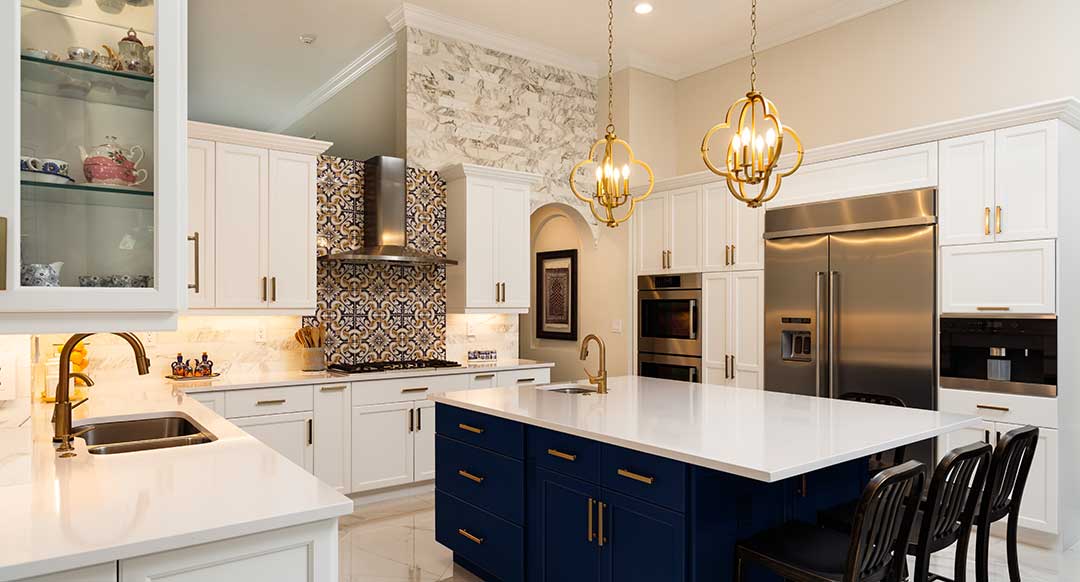
Being realistic about the time, cost, and work involved in maintaining a property here helps residents make a practical choice.
Can Renting or Buying Affect Lifestyle and Local Involvement?
Renting offers flexibility, which benefits those who may change jobs, pursue schooling, or move more often. For those wanting roots in Cascade Acres, buying is often associated with greater neighborhood involvement and long-term stability.
- Homeowners may be more involved in local organizations or improvement projects.
- Those renting short-term might prioritize flexibility over lengthy neighborhood commitments.
Both options allow residents to enjoy local parks, trails, and community amenities. However, only buyers can customize their homes or yards freely.
What Are Commonly Overlooked Costs in Either Decision?
Several hidden costs can surprise both renters and buyers in Cascade Acres.
For renters:
- Higher utility costs for drafty or older rentals, especially in winter.
- Potential loss of security deposit for damages or unapproved alterations.
- Moving fees and costs for new appliances if not included.
For buyers:
- Maintenance and unexpected repairs after move-in.
- Ongoing property taxes that vary by home and district.
- Insurance requirements, especially in areas prone to flooding or heavy snowfall.
- Seasonal costs like tree trimming, foundation checks, and gutter cleaning.
Local residents benefit from making a realistic estimate of all costs—not just the rent or mortgage—before choosing.
How Do Rules and Restrictions Differ Between Renting and Buying?
Rental properties in Cascade Acres are often subject to community rules or owner’s stipulations.
- Many rentals limit pet ownership, outdoor storage, or modifications (such as painting or installing satellite dishes).
- Homeowners’ association (HOA) rules may apply for some purchased homes, but owners typically have more leeway than tenants.
- Some exterior projects or additions may require city permits, regardless of ownership.
Understanding these local details before signing a lease or purchase agreement helps avoid frustration and unexpected limitations.